 Whatsapp


What is bruxism and its silent manifestations?
Bruxism is a condition that affects millions of people worldwide, characterized by the involuntary act of clenching or grinding the teeth. It often goes unnoticed by the individual themselves, acting as a silent manifestation that erodes oral and general health.
A common oral condition and its origin
This unconscious neuromuscular activity can occur chronically, affecting approximately 8% of the adult population, although some estimates place it between 8% and 31% globally. Bruxism is defined as a parafunctional habit that goes beyond normal chewing.
Its origin is often linked to factors such as stress, anxiety, or dental occlusion problems, although the causes of bruxism are multifactorial and still under investigation. This can lead to significant tooth wear and jaw pain, impacting the patient’s quality of life.
Nocturnal bruxism: unconscious clenching
Nocturnal bruxism occurs while sleeping, and is a habit that the patient rarely perceives directly. It is often a bed partner who alerts the patient to the grinding, which can be so intense that it interrupts the sleep of others.
>>> Do you live in Mallorca? Book your free first appointment <<<
The symptoms of nocturnal bruxism usually manifest upon waking, with headache, jaw tension, or tooth sensitivity. The use of a custom-designed bruxism splint is an effective strategy for protecting the teeth.

Daytime bruxism: tension while awake
On the other hand, daytime bruxism refers to clenching or grinding of the teeth while the person is awake. This type is more related to concentration, work stress, or situations of emotional tension, where the patient is usually more aware of the habit.
Even when aware, it is often difficult to control without help, causing muscle fatigue and pain in the face. If you experience these signs, it is crucial to consult a dentist in Palma</ strong> for an accurate diagnosis and a personalized action plan.
Understanding what bruxism is in its different manifestations is the first step towards managing it and understanding how to cure bruxism. At Platón Dental, we offer a comprehensive dentistry approach, combining high-precision diagnosis with effective, personalized treatments for each patient.
| Type of Bruxism | Time of onset | Patient awareness | Common signs |
|---|---|---|---|
| Nocturnal Bruxism | During sleep (unconscious) | Rarely noticed; alerted by others (e.g., bed partner). | Headache upon waking, jaw tension, tooth sensitivity, audible grinding. |
| Daytime Bruxism | During wakefulness (conscious or subconscious) | The patient is usually more aware of the habit. | Facial muscle fatigue, facial pain, clenching linked to concentration or stress. |
Identifying the signs of bruxism: beyond teeth grinding
Beyond audible grinding, bruxism manifests itself through a complex range of physical and painful signs. Recognizing these symptoms of bruxism is the crucial first step in seeking early diagnosis and treatment. Many patients do not directly associate these indicators with the condition.
Tooth wear and sensitivity: silent alerts
Constant clenching and grinding of the teeth causes significant tooth wear. This can manifest as eroded enamel, chipped teeth, or even fractures, especially in premolars and molars. This deterioration progresses gradually without the patient being aware of it.
Excessive pressure also contributes to tooth sensitivity, particularly to extreme temperatures. In addition, gingival retraction, or receding gums, may be observed, exposing the root of the tooth. This is a clear indicator that should not be ignored and requires specialized attention.
Facial pain, muscle fatigue, and jaw dysfunction
Bruxism, whether daytime or nighttime, often causes chronic facial pain and intense muscle fatigue. The temporal and masseter muscles are constantly tense, leading to tension headaches and simulating a bruxism headache.
Another relevant indicator is jaw clicking or clicking when opening and closing the mouth, associated with the temporomandibular joint (TMJ). Some patients experience occasional locking or difficulty chewing, seriously affecting their quality of life and overall well-being.
When to seek professional help: the importance of early diagnosis
If you experience several of these symptoms on a recurring basis, it is essential to seek an early diagnosis. A professional evaluation and a comprehensive dentistry approach are key to determining the causes of bruxism and establishing an effective plan of action. Don’t wait until the damage is irreversible.
At Platón Dental, our team combines high-precision diagnosis with advanced technology to address bruxism holistically. We offer effective solutions, from customized bite splints to specialized treatments. If you are looking for a dentist in Palma who prioritizes your well-being, we are at your service.
Tooth Wear and Fractures
Enamel erosion, chipped teeth, or fractures with no apparent cause, revealing persistent bruxism. </ p>
Facial Pain and Tension Headaches
Chronic pain in the jaw, neck, and head, often described as muscle fatigue or earache.
Tooth Sensitivity and TMJ Dysfunction
Sensitivity to extreme temperatures, gum recession, clicking, or difficulty opening and closing the mouth.
The roots of bruxism: stress, lifestyle, and physical factors
Bruxism is a multifactorial condition in which psychological and emotional aspects often play a predominant role. Beyond tooth wear, this condition often emerges as a physical manifestation of internal tensions, requiring a deep understanding of its origins.
Stress and anxiety as catalysts for bruxism
Modern life, with its fast pace, has become fertile ground for chronic stress, one of the main triggers of bruxism. Work pressure, personal problems, or even economic uncertainty can translate into unconscious jaw tension.
Studies in large cities such as Madrid and Barcelona reveal an increase in the incidence of bruxism linked to high levels of daily stress. This psychological tension triggers physiological responses, leading to the involuntary contraction of the masticatory muscles.
Generalized anxiety and episodes of acute stress are well-documented causes of bruxism. In an attempt to cope with these burdens, the body channels accumulated energy through teeth grinding or clenching, especially during sleep.
Influence of depression, sleep disorders, and medication
The relationship between mental health and bruxism is bidirectional, with depression potentially intensifying the condition. People experiencing depressive states often report an increase in the intensity and frequency of bruxism, complicating their overall well-being.
Sleep disorders, such as insomnia or obstructive sleep apnea, are also critical factors in nocturnal bruxism. Disruption of deep sleep phases can trigger episodes of bruxism, negatively impacting the quality of rest.
It is important to consider that certain medications, including some antidepressants such as selective serotonin reuptake inhibitors (SSRIs), can have bruxism as a side effect. This aspect should be carefully evaluated in the diagnosis.
A comprehensive approach to relief and prevention
To effectively address bruxism, it is essential to recognize that treatment for bruxism is not solely dental. It is crucial to manage sources of stress and anxiety through relaxation techniques, mindfulness, or, if necessary, psychological support.
At Platón Dental, we understand that a comprehensive approach to dentistry is key. Our goal is to offer a highly accurate diagnosis that identifies both physical and emotional causes, allowing for a personalized and effective treatment plan.
For those looking for how to cure bruxism, combining dental therapies, such as bite splints, with strategies for emotional management and sleep improvement offers the best results. Visiting a specialized Mallorca dental clinic is the first step toward a lasting solution.
Stress and Anxiety
Daily pressure and constant worries are the main catalysts for bruxism.
Depression
Low moods can intensify the frequency and severity of teeth grinding.
Sleep Disorders
Problems such as insomnia or sleep apnea can trigger episodes of bruxism.
First steps toward relief: diagnosis and initial therapies
When bruxism is suspected, the first essential step is an accurate diagnosis to differentiate it from other conditions. This detailed process is essential to understand what bruxism is in the patient’s particular case and to lay the foundation for effective, personalized bruxism treatment.
Clinical evaluation and medical history: pillars of diagnosis
The diagnosis begins with a thorough clinical evaluation by a professional. The dentist will examine the mouth for signs such as tooth wear, alba lines on the mucous membranes, and tongue indentations, which are common indicators of clenching or grinding.
In addition, the masticatory muscles and temporomandibular joint (TMJ) are palpated to detect pain or tension, which can cause bruxism headaches. A comprehensive medical history, including sleep habits, stress levels, and any medications, complements this crucial first phase.
Additional tests for an accurate diagnosis
In some cases, additional tests may be necessary to confirm the diagnosis and assess severity. Polysomnography, for example, is a sleep study that records muscle and brain activity during the night and is the most objective method for diagnosing sleep bruxism.
X-rays may also be used to assess the health of the TMJ and surrounding bone tissue. At Platón Dental, we combine clinical excellence with highly accurate diagnosis, ensuring a complete understanding of each patient’s clinical picture.
Initial interventions: rapid relief and protection
Once bruxism has been diagnosed, the first interventions seek to provide rapid relief and protect the dental structures. The most common is the bruxism splint, an acrylic device that is placed on one of the dental arches, preventing direct contact between the teeth and distributing the forces.
This splint not only protects the teeth from wear, but also helps to relax the masticatory muscles, relieving tension and pain. To find a dental clinic in Palma that offers this type of solution with a focus on long-term health, it is essential to seek out experts in comprehensive dentistry.
In addition, relaxation and stress management techniques are recommended, as the causes of bruxism are often linked to psychological factors. Consulting a trusted dentist href=“https://platondental.com/en/team/”>trusted dentist for a custom mouthguard and guidance on habits is the first vital step in learning how to cure bruxism and improve your quality of life.
Detailed Clinical Evaluation
The dentist examines signs of tooth wear, muscle tension, and TMJ disorders.
Medical History Analysis
Information is collected about sleep habits, stress levels, and relevant medications.
Advanced Diagnostic Tests
Possible use of polysomnography or X-rays for an accurate diagnosis of severity.
Long-term strategies: advanced treatments for bruxism and comprehensive management
When bruxism persists beyond initial therapies, it is crucial to adopt a multidisciplinary approach. The goal is to manage the condition in a comprehensive and lasting way, addressing not only the symptoms,
but also the underlying causes. This path requires the collaboration of several specialists to offer truly effective treatment for bruxism.
Physical therapy and myofunctional therapy for rehabilitation
Physical therapy plays a fundamental role in long-term strategies. It focuses on relaxing the masticatory muscles, correcting postural imbalances, and improving temporomandibular joint (TMJ) function . Techniques such as specific massages, stretching, and muscle rehabilitation exercises help relieve bruxism headaches and tension.
Myofunctional therapy, on the other hand, re-educates the muscles of the mouth and face. Through specific exercises, it seeks to normalize chewing, swallowing, and breathing functions, which are often impaired in patients with chronic bruxism. This type of approach is essential for long-term prevention.
Advanced psychological and pharmacological approaches
Since stress is one of the main causes of bruxism, cognitive behavioral therapy (CBT) is a powerful tool. It helps patients identify and manage stressors, as well as modify behavior patterns associated with teeth clenching or grinding. Learning to manage these responses is key to knowing how to cure bruxism in the long term.
In selected cases and under strict medical supervision, pharmacological options may be considered. Muscle relaxants are used occasionally to relieve extreme tension, while Botox injections into the masseter muscles can significantly reduce contraction strength. This lessens the impact of involuntary grinding and clenching, alleviating the symptoms of bruxism.
Multidisciplinary coordination and comprehensive dentistry
Successful management of chronic bruxism requires the coordination of different professionals: dentists, physical therapists, psychologists, and, in some cases, neurologists. A clinic specializing in bruxism such as Platón Dental stands out for offering a comprehensive dentistry approach. Here, high-precision diagnosis is combined with advanced treatments to ensure the overall well-being of the patient.
Care at a dental clinic in Palma that prioritizes long-term health ensures that each stage of treatment is consistent. From meticulous occlusal adjustments to the rehabilitation of damaged teeth, the goal is to restore function and protect the dental structure in a lasting way. This comprehensive commitment is essential to overcoming the challenges posed by bruxism.
Physical Therapy and Myofunctional Therapy
Rehabilitates masticatory muscles, corrects posture, and re-educates oral functions to relieve pain and tension.
Psychological and Pharmacological Approaches
CBT for stress management and habit modification, and drugs (Botox, relaxants) for severe symptoms.
Comprehensive Dentistry and Coordination
Accurate diagnosis, occlusal adjustments, and dental rehabilitation, with the collaboration of various specialists.
A holistic approach: well-being and bruxism prevention
Bruxism, the involuntary action of clenching or grinding the teeth, often transcends the merely dental, revealing a strong connection with our general well-being. Addressing it from a comprehensive perspective is crucial to preventing its onset or mitigating its intensity, focusing on the root of the problem and not just its manifestations.
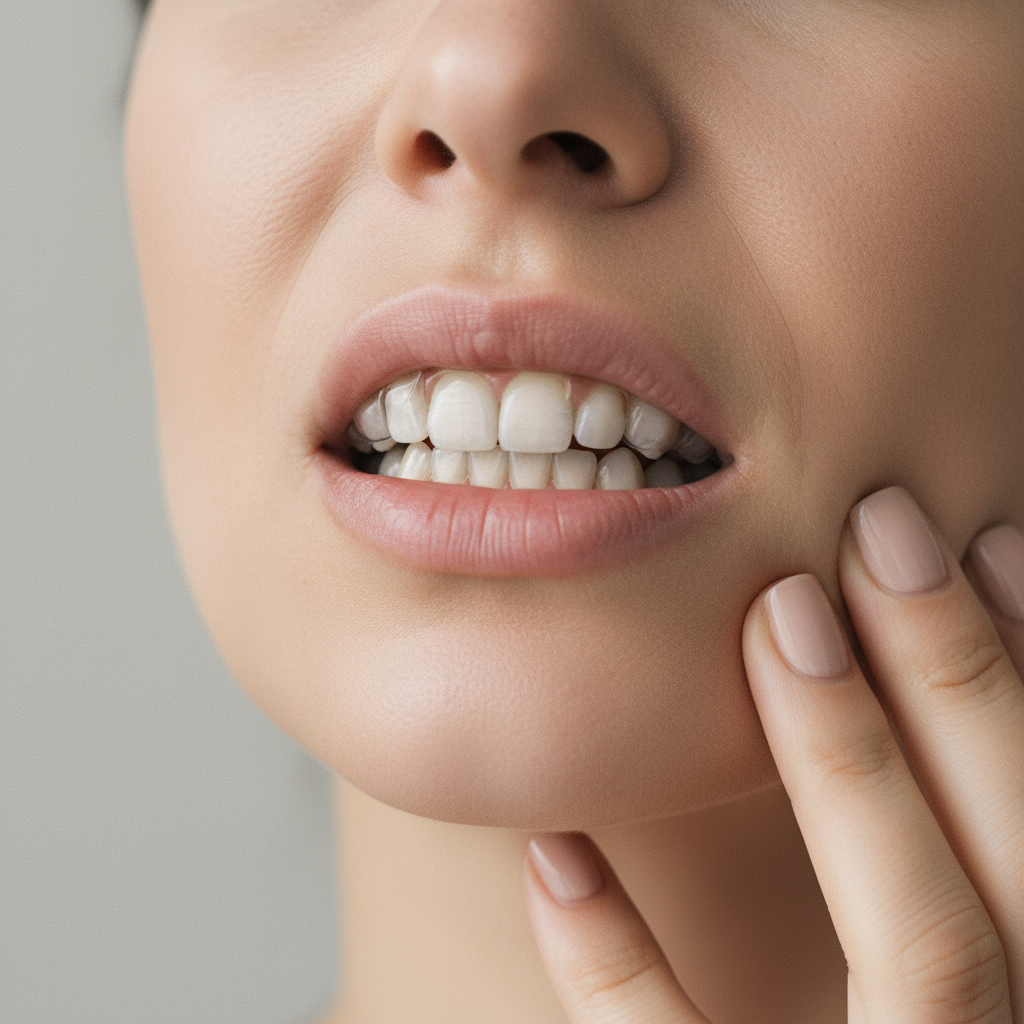
Stress Management and Relaxation Techniques
Stress and anxiety are recognized as major triggers of bruxism, affecting a significant portion of the global adult population. Incorporating relaxation practices into your daily routine can significantly reduce the muscle tension that contributes to this harmful habit.
Techniques such as mindfulness, yoga, or deep meditation are powerful tools for calming the nervous system. Even dedicating 10-15 minutes a day to conscious breathing exercises can make a noticeable difference, reducing the burden of accumulated stress.
In places such as Palma de Mallorca, various institutions offer yoga and meditation programs adapted to all levels, providing a space to disconnect and learn to manage bodily tension. These types of activities are a fundamental pillar of prevention.
Healthy lifestyle habits and their impact on bruxism
Beyond relaxation, overall lifestyle plays a vital role in preventing bruxism. Establishing a consistent sleep routine is essential, avoiding screens before bedtime and ensuring a dark and quiet environment for rest.
Diet also plays a role; reducing the consumption of stimulants such as caffeine and alcohol, especially in the hours before bedtime, contributes to a more relaxed state. A balanced diet supports the health of the nervous system, reducing the predisposition to teeth grinding.
Regular physical activity, such as walking or swimming, releases endorphins and helps dissipate accumulated stress. However, it is advisable to avoid intense exercise just before bedtime so as not to overstimulate the body and hinder the necessary relaxation.
Body awareness and professional support
Developing awareness of when you are clenching your jaw during the day is an essential first step. Performing small jaw relaxation exercises, such as gently massaging the area or placing your tongue on the roof of your mouth, can provide immediate relief.
At Platón Dental, our approach is focused on overall well-being, understanding that oral health is linked to other aspects of the body. Therefore, if you experience symptoms of bruxism, it is crucial to seek the advice of a trusted dentist who offers comprehensive dentistry.
Combining these preventive habits with professional monitoring allows for comprehensive and effective management. This not only mitigates the consequences, but also proactively addresses bruxism, promoting a better quality of life and lasting dental health.
Stress Management
Implement techniques such as mindfulness, yoga, or meditation. Spending 10-15 minutes a day on relaxation reduces tension.
Healthy Lifestyle Habits
Prioritize a consistent sleep routine, reduce stimulants (caffeine/alcohol), and engage in regular physical activity for balance.
Awareness and Professional Support
Develop jaw awareness, perform relaxation exercises, and seek the advice of a trusted dentist for a comprehensive approach. p>
Impact on quality of life and how to live better with bruxism
Bruxism, beyond being a dental condition, significantly affects the daily quality of life of those who suffer from it. Its manifestations range from physical pain to alterations in emotional and social well-being. It is essential to understand this impact in order to address it effectively.
The constant tension in the jaw generated by clenching or grinding can trigger a series of symptoms. These impact on such basic aspects as nighttime rest and the ability to concentrate during the day. Addressing bruxism requires a practical and conscious approach.
Disruption of daily well-being and routine
Nocturnal bruxism, often unconscious, interrupts the deep sleep cycle, causing chronic fatigue and daytime sleepiness. Many patients report headaches from bruxism, especially upon waking, and facial pain that limits movement. This situation compromises work and academic performance.
The discomfort is not limited to the jaw, but can extend to the neck, shoulders, and ears, impacting posture. Difficulty opening the mouth or chewing hard foods also influences eating habits. This forces changes in dietary habits and can affect nutrition.
Coping strategies for everyday life
To improve daily life with bruxism, it is crucial to manage stress, one of its main triggers. Practices such as meditation, yoga, or conscious breathing exercises can reduce tension. It is advisable to establish a relaxing routine before bedtime.
Adopting correct posture habits and avoiding caffeine or alcohol before bedtime are also key. Some patients find relief by applying warm compresses to the jaw or performing gentle massages. These actions help mitigate the symptoms of bruxism.
Professional support and continuous improvement
Identifying and addressing bruxism early is essential to prevent further damage and improve well-being. Seeking the guidance of a specialist is the first step toward an effective solution. A trusted dentist can provide an accurate diagnosis and an appropriate treatment plan.
At clinics such as Platón Dental, we offer highly accurate diagnoses and an approach focused on the patient’s overall well-being. We develop personalized treatments, such as recommending a bruxism splint, which relieves pressure and protects the teeth. Close, expert care allows each patient to feel supported in their recovery.
Stress Management
Practices such as meditation, yoga, and breathing exercises to reduce tension.
Sleep Habits
Establish a relaxing bedtime routine; avoid caffeine and alcohol in the evening.
Physical Care
Maintain correct posture, apply warm compresses, and gently massage the jaw.
Conclusions and Final Recommendations
Bruxism, a condition that often goes unnoticed, significantly impacts oral health and overall well-being. This overview has unraveled what bruxism is, its various symptoms, the diverse causes, and the keys to effective treatment, emphasizing the importance of proactive management.
Key points to remember
- Bruxism is more than just a nighttime habit: It manifests itself in many ways, from teeth grinding to muscle tension and headaches, significantly affecting quality of life.
- Early detection is crucial: Recognizing the symptoms of bruxism</ strong> early allows for intervention before dental and joint damage becomes irreversible.
- The causes of bruxism are diverse: Factors such as stress, anxiety, occlusion problems, and lifestyle contribute to its onset, requiring a personalized approach. li>
- There is a range of treatments for bruxism: From occlusal splints and behavioral therapies to physical therapy and more advanced treatments, the approach must be tailored to each patient.
- A comprehensive approach is essential: Managing bruxism involves addressing both physical and emotional aspects, promoting overall well-being.
- Improving quality of life is possible: With proper diagnosis and an effective management plan, it is possible to mitigate the impact of bruxism and learn how to cure bruxism or control it in the long term.
Practical recommendations
If you suspect you have bruxism, pay attention to the signs: facial pain, tooth wear, jaw clicking, or morning headaches. Adopt relaxation techniques, such as meditation or yoga, and evaluate your sleep habits. These initial steps are vital to mitigating the intensity and frequency of episodes, as well as to better understanding what bruxism is in your particular case.
However, self-management should be complemented by expert opinion. A visit to a specialist is essential for an accurate diagnosis and to outline a customized bruxism treatment. At Platón Dental, we understand the complexity of this condition and offer a comprehensive approach, combining clinical excellence, cutting-edge technology, and attentive, personalized care to design customized solutions that not only alleviate the symptoms of bruxism but also address the underlying causes of bruxism and prioritize your long-term well-being. We are committed to accompanying you every step of the way toward optimal oral health and a better quality of life.
Taking action against bruxism is a decisive step toward a better quality of life. With the support of an accurate diagnosis and a well-designed treatment plan, it is entirely possible to restore harmony to your mouth and enjoy comprehensive well-being. Your oral health is a reflection of your overall health: take care of it with the attention it deserves.
Early Detection
Recognizing the symptoms of bruxism early on is crucial to preventing irreversible dental and joint damage.
Comprehensive Approach
Managing bruxism involves addressing both the physical aspects and the underlying emotional causes.
Improving Quality of Life
With an accurate diagnosis and personalized treatment, it is possible to mitigate the impact and restore well-being.