 Whatsapp


This comprehensive guide details dental care for children from their earliest months. Effective strategies for preventing tooth decay in children, dietary guidelines, and essential visits will be explored. This section will guide parents through the essential steps, from establishing a solid foundation of hygiene to the healthy development of primary teeth and preventing common problems such as tooth decay. This section will guide parents through the essential steps, from establishing a solid foundation of hygiene to the healthy development of primary teeth and preventing common problems such as tooth decay.
Establishing a solid foundation of hygiene is crucial for the healthy development of primary teeth and for preventing common problems such as tooth decay.This section will guide parents through the essential steps, from prenatal care to the eruption of the first teeth. We will learn practical techniques that ensure a bright future for our little ones’ smiles.
The influence of maternal oral health on the baby
The mother’s oral health during pregnancy has a direct influence on that of the baby. Conditions such as gestational gingivitis, for example, can increase the risk of premature births and low birth weight, indirectly affecting the child’s overall health.
It is vital that expectant mothers maintain excellent oral hygiene for children and make regular visits to the dentist. At Platón Dental, we emphasize a comprehensive dentistry approach that supports mothers during this crucial stage, ensuring their well-being and that of their unborn child.
>>> Do you live in Mallorca? Book your free first appointment <<<
Oral care for newborns before teething
Even before the first tooth appears, it is essential to clean the baby’s gums. This practice helps remove milk residue and bacteria, preparing a healthy oral environment for teething.
Use a soft gauze pad or silicone finger cot moistened with warm water to gently clean your newborn’s gums twice a day. This simple habit, which should be started at birth, promotes children’s cavity prevention and lays the foundation for future routines.
Eruption of the first tooth and the first visit to the dentist
The first tooth usually erupts around six months of age, although this can vary. At this point, it is crucial to introduce an extra-soft toothbrush and a minimal amount of fluoride toothpaste (about the size of a grain of rice).
The first visit to the pediatric dentist should be scheduled before the first birthday or six months after the first tooth erupts. A dental clinic in Palma such as Platón Dental offers a welcoming environment for these first experiences, prioritizing the well-being and confidence of the child and their parents.
This early consultation allows the professional to assess oral development, offer personalized advice, and establish a positive relationship with the dentist. It is a key step in ensuring proper children’s oral health and adequate follow-up as the child grows.
Maternal Oral Health
A mother’s hygiene and dental visits are vital to her baby’s overall health and future teeth.
Pre-Eruption Care
Clean your newborn’s gums twice a day with a damp gauze pad to remove bacteria and milk residue.
First Visit to the Dentist
Schedule the first appointment before the first birthday or 6 months after the first tooth erupts.
Daily Oral Hygiene Routine: Beyond Brushing
Children’s oral health is a fundamental pillar of their overall well-being, and its foundation is built on a daily hygiene routine that goes far beyond simple brushing. Teaching our little ones these habits is the best way to prevent tooth decay in children, transforming this obligation into a moment of learning and family bonding.
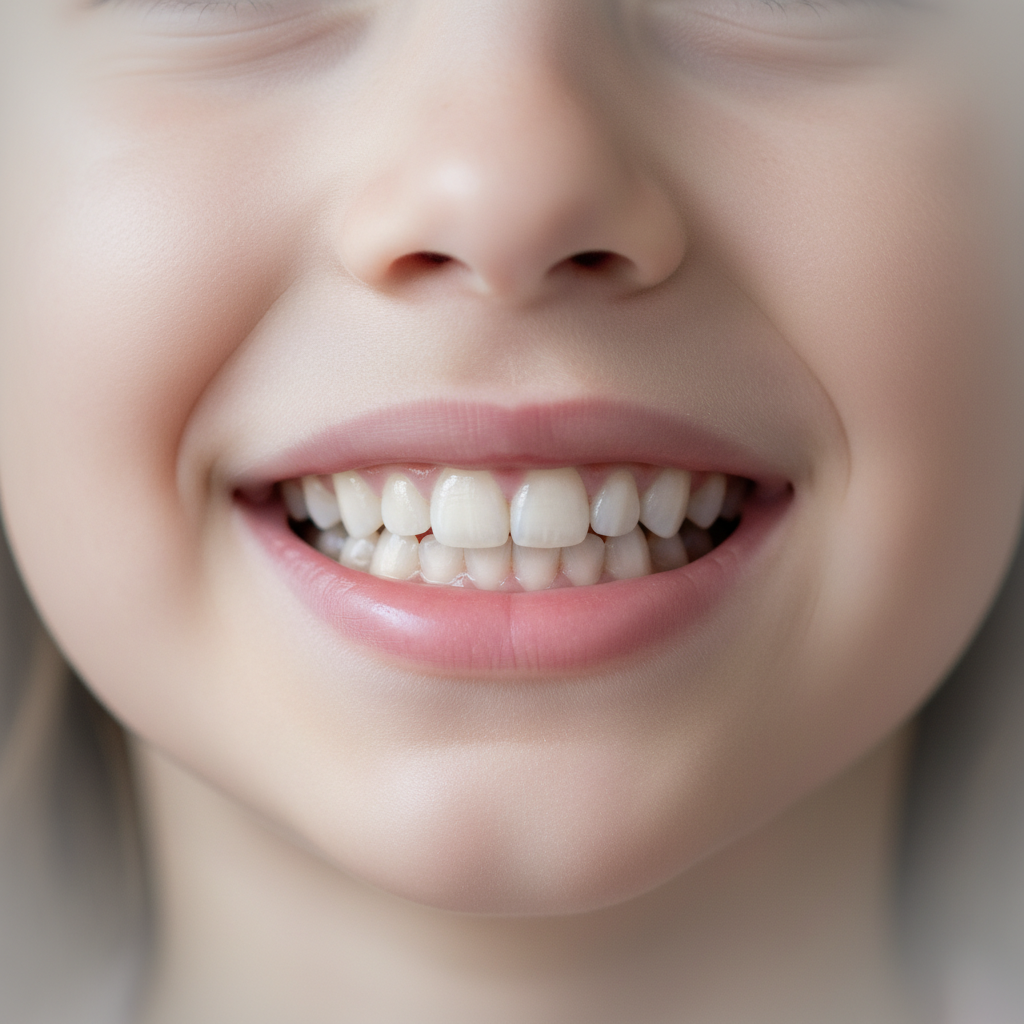
Proper brushing techniques and ergonomic toothbrushes by age
From the appearance of the first tooth, hygiene is crucial. For babies up to 2 years old, it is recommended to use a damp gauze pad or a dental finger cot to gently clean their teeth. When the first molars appear, a soft-bristled toothbrush with a small head and a pea-sized amount of fluoride toothpaste is ideal, always under adult supervision.
Between the ages of 2 and 6, the stage of baby teeth, brushing should be done with a children’s toothbrush with an ergonomic handle and a pea-sized amount of toothpaste. It is vital to teach them gentle circular movements and a sweeping motion from the gum to the tooth, ensuring thorough cleaning of all tooth surfaces.
The power of flossing and choosing the right toothpaste
Dental floss is a silent hero in children’s oral hygiene, essential once children’s teeth begin to touch each other. Introducing it in a playful way, perhaps with flavored floss picks, can facilitate its acceptance and teach them the importance of cleaning the interdental spaces where the toothbrush cannot reach.
The choice of toothpaste is equally important; it should always contain fluoride, with the dose adjusted according to age. Fluoride is the key mineral for strengthening tooth enamel and effectively fighting cavities. If in doubt, consulting with a dentist in Palma can ensure that the most appropriate products are used for each stage of growth.
Creating lasting habits and the importance of professional check-ups
Turning oral hygiene into a game, with songs or fun timers, encourages a positive attitude towards this daily routine. Parental supervision is essential until children acquire sufficient motor skills, usually around the age of 7-8, to brush independently and effectively.
To complement this daily routine, regular visits to a dental clinic in Palma are essential. A professional will not only check your child’s mouth, but also offer personalized advice and perform professional cleanings that reinforce cavity prevention in children, ensuring a healthy and lasting smile.
| Child’s Age | Brushing Technique/Tool | Toothpaste and Floss |
|---|---|---|
| Up to 2 years old (first teeth) | Moist gauze or dental thimble. When molars appear, use a soft-bristled toothbrush with a small head. | Fluoride toothpaste (the size of a grain of rice). |
| Between 2 and 6 years old (baby teeth) | Children’s toothbrush with ergonomic handle. Circular movements and sweeping from the gums to the teeth. | Fluoride toothpaste (pea-sized amount). Dental floss (when teeth touch). |
Smart nutrition for strong teeth: the diet that supports your smile
Diet plays a fundamental role in children’s oral health, far beyond brushing. A balanced diet not only nourishes the body, but is also crucial for the development of strong, resistant enamel. Understanding which foods strengthen and which weaken teeth is vital for preventing tooth decay.
Protective foods: the guardians of your smile
Certain nutrients are essential for the formation and maintenance of healthy teeth. Calcium and phosphorus, found in dairy products such as milk, cheese, and plain yogurt, are the building blocks of strong tooth enamel. Including these foods in your daily diet ensures proper mineralization of the teeth.
In addition, crunchy fruits and vegetables, such as apples, carrots, and celery, act as natural toothbrushes, helping to clean the surface of the teeth. Their high fiber content stimulates the production of saliva, a natural protector that neutralizes acids and remineralizes enamel, which is key to preventing cavities in children.
The impact of sugar and acidity: enemies of enamel</ h3>
Sugar is the main fuel for the bacteria that cause cavities, transforming into acids that attack tooth enamel. Sticky foods such as candy or cookies remain in the mouth longer, prolonging the “acid attack.” Sugary drinks and processed juices also combine sugar with acidity, increasing the damage.
It is essential to moderate the consumption of these products and, if they are consumed, to do so during main meals. Preventing children from consuming them between meals or just before bedtime drastically reduces the risk. At Platón Dental, our specialists in comprehensive dentistry always emphasize the importance of a healthy diet for long-term health.
Healthy snacks for a happy mouth
Planning smart snacks is key to protecting your children’s teeth. Opt for fresh fruit, vegetable sticks, cheese portions, or unsweetened plain yogurt. These options are not only nutritious, but also actively contribute to children’s oral health.
Encouraging a mindful relationship with food and offering water as the main drink are habits that make a difference. If you notice any warning signs, it is crucial to visit a trusted dentist in Palma. Early detection and timely intervention can prevent major problems, as we always promote in our clinic.
Dairy products
They provide calcium and phosphorus, which are essential for strengthening tooth enamel. Examples: milk, cheese, plain yogurt.
Crunchy fruits
They act as ”natural toothbrushes,” cleaning the surface of the teeth and stimulating saliva production. Examples: apples.
Raw Vegetables
Their fiber helps remove debris and protect against acids. Examples: carrots, celery.
The role of the pediatric dentist: visits, prevention, and essential treatments
The pediatric dentist is a key ally in building strong children’s oral health. Their role goes beyond treating cavities; it focuses on guiding families and providing dental care that lasts throughout the child’s life.

Understanding the importance of this figure is key to preventing future problems. This specialist ensures that the child’s experience in the clinical environment is positive, laying the foundations for a relationship of trust and minimizing fear of the dentist.
The first visit and its positive impact
The first visit to the pediatric dentist should ideally take place when the first baby tooth erupts, or at the latest, before the child’s first birthday, as recommended by most pediatric dentistry associations.
This first visit is not usually for complex treatment, but rather to familiarize the child with the clinic environment and the specialist, creating a positive experience.
The pediatric dentist will offer advice on how to care for the first teeth and detect possible risks of preventing cavities in children.
Regular checkups and key preventive procedures
Regular checkups, usually every six months, are crucial for the continuous monitoring of children’s oral health. They allow for the early identification of any problems, such as the appearance of incipient cavities or abnormalities in dental development, and resolve them quickly and easily.
Among the most common preventive procedures is the topical application of fluoride, which strengthens tooth enamel and makes it more resistant to the action of bacteria. Also noteworthy are dental sealants for children, a thin protective layer applied to the chewing surfaces of permanent molars and premolars, which prevents the accumulation of food and plaque in their fissures.
At Platón Dental, our dental clinic in Palma, we take a holistic approach to wellness, using advanced technology and minimally invasive treatments. This allows us to offer an exceptional experience and consistent results, prioritizing the long-term health of our young patients.
The goal is always to prevent small problems from growing, thus promoting effective and lasting dental care for children. Establishing a relationship with a trusted dentist early on is an investment in a healthy smile for life.
Periodic Checkups
Vital every 6 months for continuous monitoring and early detection of problems.
Fluoride Application
Strengthens tooth enamel, making it more resistant to bacteria and cavities.
Dental Sealants
Protective coating on molars and premolars that prevents food and plaque from accumulating in fissures.
Common Oral Health Challenges in Childhood: Identification and Solution
Children’s oral health is a fundamental pillar of our children’s overall development, but it is not without its challenges. Early identification of the most common oral health problems in childhood is key. Acting knowledgeably and quickly can make a big difference in the well-being and future smiles of our little ones.
Tooth decay and gingivitis in children: early warning signs
Baby bottle tooth decay is one of the most concerning conditions, severely affecting baby teeth. It initially appears as white spots on the tooth surface, which can then darken to brown or black. Early detection is essential for the prevention of tooth decay in children and its timely treatment.
Infant gingivitis, on the other hand, presents with red, swollen gums that may bleed during brushing. It is a sign that children’s oral hygiene needs to be improved, as the accumulation of bacterial plaque is its main cause. It is crucial to watch for these signs to avoid further problems.
If you suspect persistent tooth decay or gingivitis, it is imperative to seek professional care. A visit to a dentist in Palma specializing in pediatric dentistry will allow for an accurate diagnosis. At Platón Dental, we combine advanced technology and a minimally invasive approach to care for your children’s health with the utmost delicacy.
Dental trauma and other conditions: quick reactions
Dental trauma is very common in children, especially during periods of high physical activity. A fall can cause fractures, dislocations, or even complete avulsion of a tooth. In case of avulsion, it is vital to find the tooth, keep it moist (in milk or saline solution), and go to a dental clinic immediately.
Other common conditions include canker sores, small painful sores that appear in the mouth. Although they usually heal on their own within a week, they can be very uncomfortable for children. Maintaining good hygiene and avoiding irritating foods can help relieve them.
Any dental trauma, no matter how minor it may seem, requires immediate professional evaluation to rule out hidden damage. Our team offers comprehensive dentistry to address both emergencies and necessary follow-up care. We want you to feel supported from the moment you walk into our dental clinic in Palma.
| Oral Condition | Key Symptoms / Identification | When to Take Action / Solution |
|---|---|---|
| Bottle Tooth Decay | White spots on the enamel, which progress to brown or black tones on baby teeth. | Early detection. Urgent visit to the pediatric dentist for diagnosis and treatment. |
| Infantile Gingivitis | Red, swollen gums that bleed during brushing. | Drastically improve oral hygiene. If it persists, seek professional care. |
| Dental Trauma | Fractures, dislocations, or avulsion (entire tooth knocked out of the mouth) due to blows or falls. | Seek professional evaluation immediately. For avulsion: find the tooth, keep it moist (milk/saline solution), and see a dentist urgently. |
| Mouth Ulcers | Small, painful sores in the mouth. | They usually heal on their own within a week. Maintain good hygiene and avoid irritating foods for relief. |
Harmful oral habits and their early correction
Children’s oral health goes beyond good brushing; it also involves identifying and correcting oral habits that can compromise proper facial development and dental alignment. Early intervention is crucial to ensuring a healthy smile and preventing future orthodontic problems in children.
Non-nutritive sucking: pacifiers and thumb sucking
Sucking is a natural reflex in babies, but prolonged sucking can be harmful. Habits such as extended use of a pacifier or thumb sucking beyond the age of 3 or 4 increase the risk of developing open or crossbites, affecting the proper eruption of baby and permanent teeth.
To help children break these habits, a gradual and positive approach is recommended. Strategies such as setting limits, offering comfort alternatives, or using positive reinforcements can be effective. If the habit persists, it is essential to consult a pediatric dentist who can offer professional guidance and a tailored plan, such as those found at a dental clinic in Palma with a comprehensive approach.
Bottle feeding: risk of tooth decay and malocclusion
Prolonged bottle feeding, especially with sugary liquids or during the night, is one of the main causes of so-called bottle tooth decay or early childhood caries. Sugars accumulate around the teeth, promoting bacterial growth and enamel demineralization, even in the youngest children.
It is recommended that children transition from bottle to cup around 12-18 months of age to protect their teeth and promote proper oral development. This simple change is an effective measure for preventing tooth decay in children and encourages better oral hygiene in children, reducing the risk of malocclusions associated with bottle sucking patterns.
Childhood bruxism: teeth grinding
Childhood bruxism, or teeth grinding, is an involuntary habit that often occurs during sleep. Although in many cases it is temporary and does not cause serious problems, if it is severe or prolonged, it can lead to tooth wear, jaw pain, and even headaches. It is estimated to affect a significant percentage of children, with a prevalence ranging from 7% to 14%.
The causes can range from stress or anxiety to dental alignment problems or even a response to earaches or teething. Parental observation is key, and if there are any concerns, a visit to a trusted dentist for an accurate diagnosis is essential. At Platón Dental, our comprehensive dentistry approach ensures that every patient feels supported from the very first minute, offering personalized solutions for the long-term well-being of children.
Key Facts About Children’s Oral Habits
- Pacifiers and thumb sucking: It is crucial to break these habits before the age of 3-4 years old to prevent orthodontic problems.
- Prolonged bottle use: Transitioning to a cup between 12 and 18 months old is recommended strong> to prevent bottle tooth decay and promote proper oral development.
- Childhood bruxism: This teeth grinding affects an estimated 7% to 14% of children; early detection and consultation with a dentist are essential.
Innovation and resources for a healthy smile: tools for modern parents
Children’s oral health has evolved dramatically, offering modern parents innovative tools for children’s dental care. These technologies transform the hygiene routine into an engaging and educational experience. Our goal is to guide you in preventing tooth decay and knowing what to do if it occurs.
Smart toothbrushes: technology at the service of hygiene
Electric toothbrushes with timers and pressure sensors are key to children’s oral hygiene. Brands such as Oral-B and Philips Sonicare offer models for young children, ensuring proper brushing. They guarantee two minutes of brushing, which is crucial for effective cleaning.
Pressure sensors alert the child if they are brushing too hard, protecting their gums and enamel.
This technology gamifies the process, making how to brush children’s teeth a game. This encourages a positive relationship with dental hygiene from childhood.
Some toothbrushes offer Bluetooth connectivity with apps, providing detailed reports. This allows you to monitor effectiveness and motivate improvement. It is an excellent way to reinforce cavity prevention for children on a daily basis at home.
Apps and interactive games: learning through fun
Numerous apps and interactive games educate children about cavity prevention in a playful way. They use animated characters and challenges to teach proper brushing technique and healthy diets. Apps such as “Brush Busters” or “Chompers” reward good behavior.
These digital platforms allow children to track their progress, helping them to better understand the benefits of good children’s oral health. They transform learning into an adventure, making healthy habits attractive and effective for the family. Interaction becomes something to look forward to.
Many games include information about foods that are harmful to children’s teeth and the importance of visits to the pediatric dentist. They encourage curiosity and autonomy, serving as educational tools for parents. They empower children to take care of their own oral health.
The role of professionals and technology in a healthy smile
Although technology at home is a great support, supervision by a pediatric dentist remains essential. These innovations complement professional care, but do not replace it. Regular visits to a dental clinic in Palma are essential for early diagnosis.
At Platón Dental, we combine clinical excellence, high-precision diagnosis, and advanced technology for an exceptional human experience. Our minimally invasive approach aligns with the importance of professional dental hygiene, complemented by modern tools at home. We prioritize long-term health.
Choosing a trusted dentist who integrates technology and friendly treatment is crucial for children’s dental care. Digital tools are powerful allies in instilling lasting habits, but professional support ensures expert supervision. Together, technology and specialists ensure the best children’s oral health and reduce common children’s mouth problems.
Encouraging these habits from an early age, supported by technology, reduces the incidence of cavities. Investing in these modern tools is a proactive step toward a lifetime of healthy smiles. It is the foundation for strong and radiant children’s oral health.
Smart Toothbrushes
Timers, pressure sensors, and connected apps ensure effective brushing and protect your gums.
Educational Apps and Games
Animated characters and interactive challenges that teach brushing techniques and healthy eating habits.
Ongoing Supervision and Motivation
Progress reports and rewards that encourage consistency and make hygiene fun.
Final conclusions and recommendations
This comprehensive overview has highlighted the crucial importance of children’s oral health as a pillar of overall well-being. We have discovered that a healthy smile in children is the result of constant commitment and a deep understanding of care and prevention strategies, starting in the first months of life.
Key points to remember
- Proactive prevention: Anticipation is the most powerful tool against dental problems. Establishing hygiene routines from birth and adopting healthy habits dramatically reduces the risk of cavities and other conditions.
- The integral role of nutrition: Beyond brushing, a balanced diet is essential for the development of strong, resistant teeth.
Smart food and beverage choices actively support children’s oral health. - The role of the pediatric dentist: Regular visits to the children’s dentist are not only for treating problems, but also for preventing them. The specialist offers personalized guidance, applies preventive treatments, and detects any challenges early on.
- Monitoring and early action: Identifying and addressing harmful oral habits or the early signs of any problems is crucial. Early intervention can prevent more serious and costly complications in the long term.
- Parental empowerment: Parents are the primary agents of change in their children’s dental health. With the right knowledge and resources, they can foster an environment conducive to a lasting smile.
Practical recommendations
To ensure optimal children’s oral health, we encourage you to integrate these practices into your daily routine: Start cleaning gums and teeth as soon as they appear, select an age-appropriate toothbrush and toothpaste, supervise brushing until your child acquires the necessary skills, and prioritize a low-sugar diet. Remember that the example you set is one of the most powerful tools for establishing healthy habits and good oral hygiene in children.
Also, don’t underestimate the value of regular checkups with a pediatric dentist. Establish a relationship of trust with a specialist who can guide you through each stage of your child’s growth. When questions arise or to establish a personalized care plan and effective cavity prevention for children, visiting clinics such as Platón Dental guarantees not only a highly accurate diagnosis and minimally invasive treatments, but also an exceptional human experience, where long-term health and natural aesthetics are a priority. Our team is committed to consistent results and attentive care for the overall well-being of your family.
Building a solid foundation for your children’s dental health is an invaluable investment in their future. With dedication and the right professional support, it is in your hands to give them a healthy and full smile that will accompany them throughout their lives.
Proactive Prevention
Anticipating and establishing hygiene routines from birth dramatically reduces the risk of cavities and conditions.
Comprehensive Nutrition
A balanced diet is essential for the development of strong teeth. Food choices actively support oral health.
The Pediatric Dentist
Regular visits are not only for treating problems, but also for preventing them, offering personalized guidance and early detection.
Monitoring and Early Action
Identifying and addressing harmful oral habits or early signs of disturbance is crucial to preventing further complications.
Parental Empowerment
Parents are the primary agents of change, with the knowledge and resources to foster an environment of lasting smiles.