 Whatsapp


we will explore the serious consequences that its accumulation has on the oral cavity and overall health. Finally, we will offer a detailed guide on how to remove dental tartar through a thorough professional treatment, emphasizing the crucial importance of professional dental cleaning for its prevention and effective eradication.
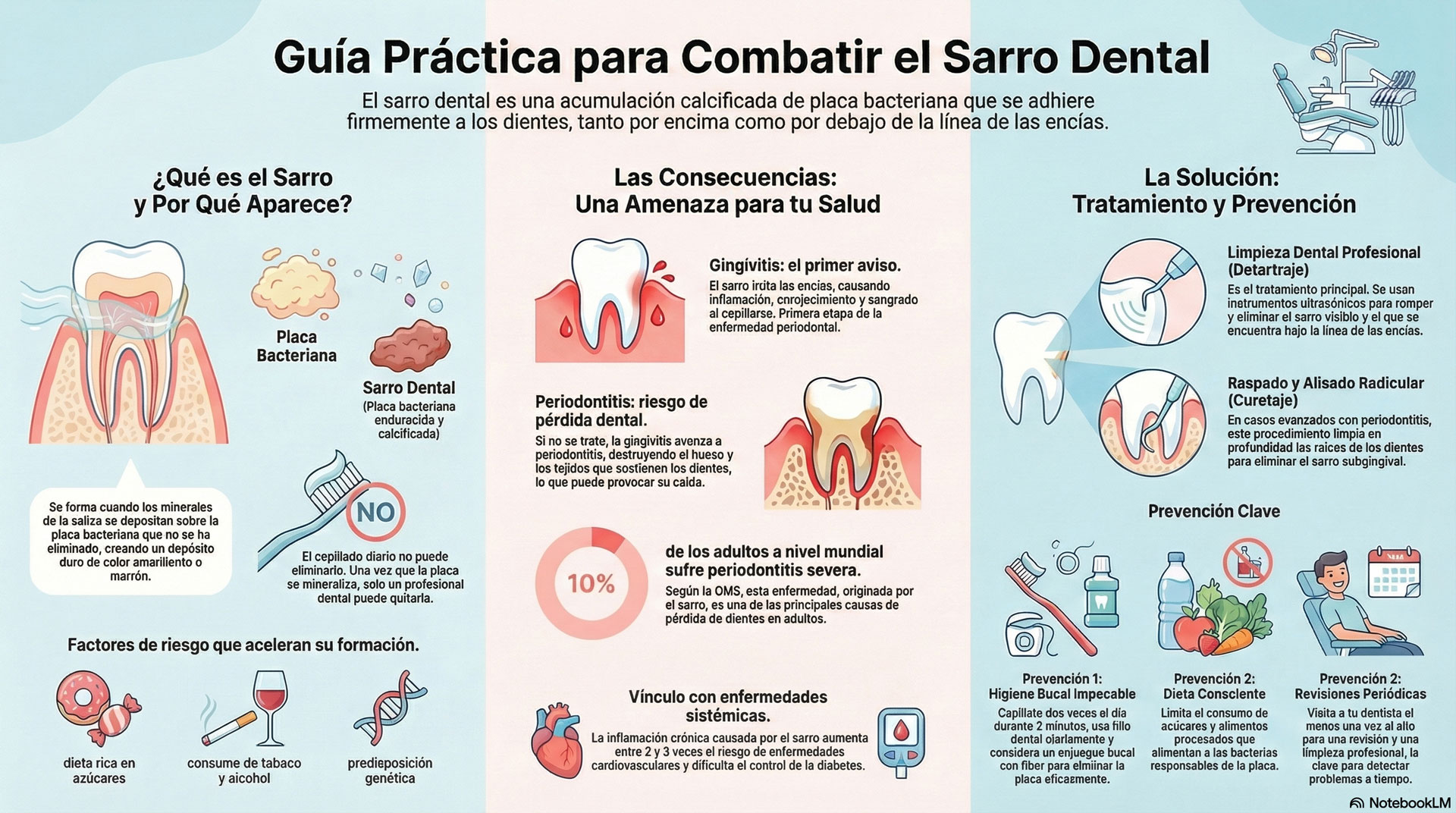
Dental tartar, also known as calculus, is one of the most common and often underestimated oral conditions. Its insidious nature makes it a silent threat to oral health, beginning its formation imperceptibly but with significant consequences if not addressed in time.It all starts with bacterial plaque, a colorless, sticky film that constantly forms on the surface of the teeth. This plaque is composed of oral bacteria, saliva, food debris, and dead cells, adhering firmly to the teeth and gums, especially in areas that are difficult to reach during brushing.When this plaque is not effectively removed by daily brushing and flossing, a mineralization process begins. Minerals present in saliva, such as calcium and phosphate, are progressively deposited in the soft structure of the plaque. This phenomenon can even be observed in studies on oral health in the Mediterranean region, where diet influences salivary composition.Over time, this accumulation hardens and calcifies, transforming into what we know as dental calculus. Unlike plaque, calculus has a hard, porous consistency, with a color ranging from yellowish-white to dark brown, depending on eating habits and exposure to colorants.Once plaque has mineralized and turned into tartar, regular tooth brushing, no matter how rigorous, is ineffective in removing it. This calcified deposit adheres firmly to the teeth, including the interdental spaces and below the gum line, creating a rough surface that further facilitates the accumulation of new plaque.
The presence of dental tartar is one of the main causes of periodontal diseases, such as gingivitis. Global epidemiological studies estimate that more than 70% of adults over the age of 30 have some degree of tartar buildup, underscoring the importance of professional prevention and removal.
To combat this hardening and avoid its serious consequences, such as bone and tooth loss, professional dental cleaning is essential. At a dental clinic in Palma, specialists use specific tools to effectively scrape and remove these deposits, restoring the health of the gums and teeth.
>>> Do you live in Mallorca? Book your free first appointment <<<
Ultimately, impeccable oral hygiene is the first line of defense in preventing tartar buildup. Regular visits to a dentist in Palma for checkups and professional cleanings are crucial for keeping plaque and tartar at bay, ensuring a healthy smile and protecting your overall well-being.
Concerned about tartar? Take action now!
Mineralized bacterial plaque cannot be removed by daily brushing. For a healthy mouth protected from tartar, a professional checkup and cleaning is essential.
Behind tartar: habits and factors that contribute to it
The formation of dental tartar goes beyond mere poor brushing, as it is a process influenced by a complex interaction of habits and biological factors. A thorough understanding of its causes is crucial for effective prevention, addressing the problem at its root.
A diet rich in sugars and refined carbohydrates, such as those found in industrial pastries or sugary drinks, directly feeds oral bacteria. This favorable environment accelerates the formation of plaque, the direct precursor to dental tartar, contributing significantly to its early appearance and persistence.
Tobacco and alcohol consumption considerably increase the risk of tartar buildup. Tobacco, for example, reduces salivary flow and alters oral pH, while alcohol dehydrates, causing minerals in saliva to crystallize more quickly on the teeth, thus forming dental tartar.
Genetic predisposition plays a less visible but equally relevant role in the causes of tartar. Some people have a particular salivary composition, oral pH, or tooth enamel structure that makes them inherently more susceptible to bacterial plaque calcification.
Factors such as the composition of saliva, rich in calcium and phosphate, can influence the rate at which plaque mineralizes. In addition, certain systemic diseases, such as diabetes, can alter the oral microbiota and oral environment, promoting the development of dental tartar and gum disease.
Professional guidance is essential to identify and modify these risk habits. Local health centers or primary care clinics in your community, such as a dental clinic in Palma, offer personalized advice and tools for the preventive management of this condition.
Adopting a comprehensive dentistry approach that combines proper oral hygiene with dietary and lifestyle changes is key. Complementing these efforts with regular professional dental hygiene ensures the removal of existing tartar buildup, thus preventing its long-term consequences.
Diet and Sugars
They feed oral bacteria, accelerating the formation of plaque, the precursor to tartar.
Tobacco and Alcohol
They reduce salivary flow and dehydrate the mouth, promoting mineral calcification.
Genetics and Saliva
Individual predisposition, oral pH, and salivary composition influence mineralization.
The repercussions of tartar: damage to gums and teeth
The persistent accumulation of dental tartar is not simply a cosmetic issue; it poses a direct threat to the integrity of our gums and teeth. This calcification irritates the soft tissues of the mouth, triggering a cascade of oral health problems that can have serious consequences.
The first stage of this condition is tartar gingivitis, an inflammation of the gums. It manifests itself with clear symptoms such as redness, swelling, and bleeding when brushing or flossing, unmistakable signs that gum health is compromised.
If gingivitis does not receive proper dental tartar treatment, chronic irritation and bacterial presence advance. This neglect allows the disease to progress to periodontitis, a much more serious condition that affects the tooth support structures.
Periodontitis is a destructive disease in which bacteria and the body’s inflammatory response progressively erode the alveolar bone and periodontal ligaments. The World Health Organization (WHO) estimates that 10% of the global adult population suffers from severe periodontitis, a figure that underscores its prevalence.
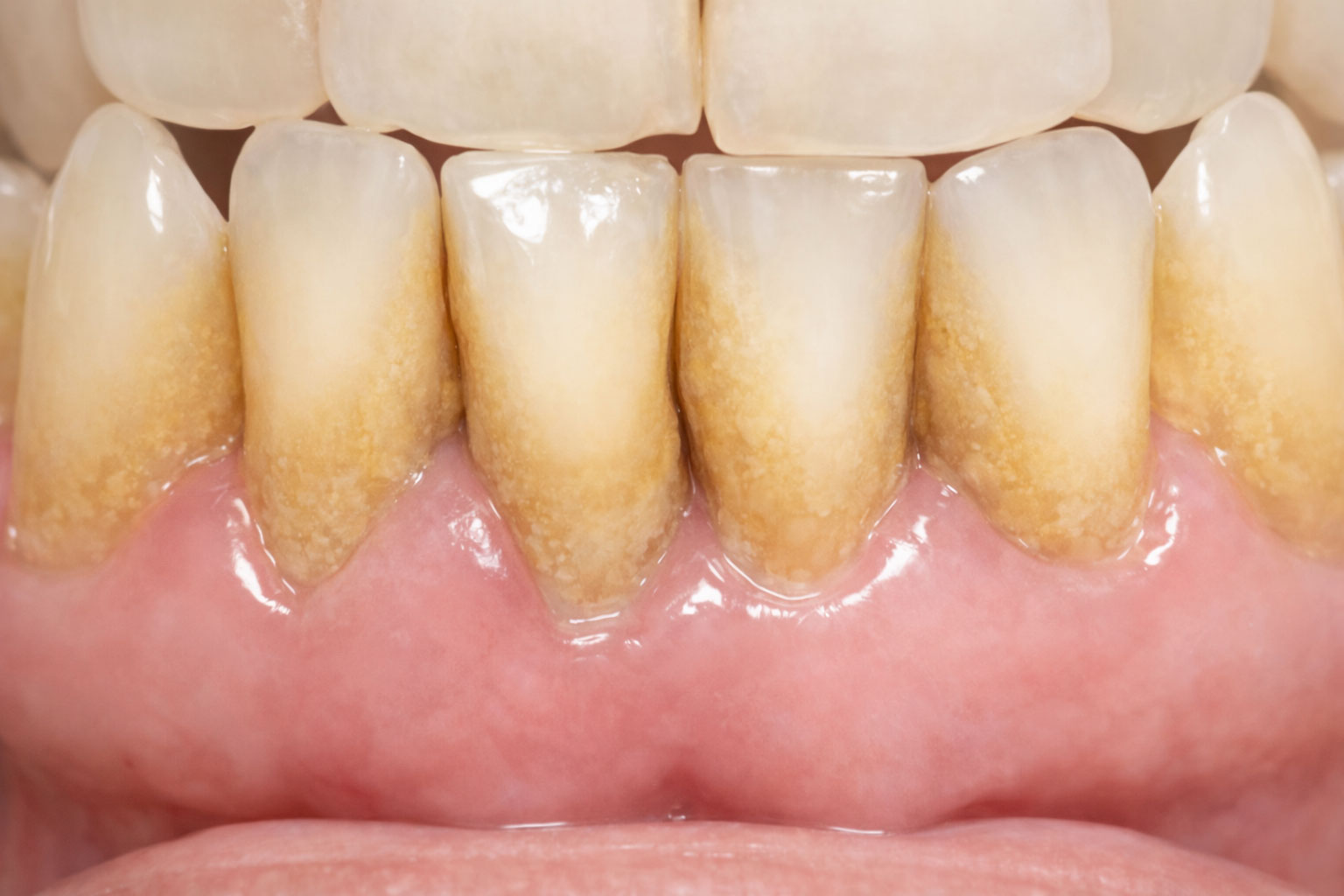
As a result of this destruction, teeth lose their firm grip, begin to move, and, in more advanced cases, may even fall out. Tooth loss not only impacts chewing function, but also the individual’s aesthetics and overall quality of life.
Early detection and professional intervention are crucial to stopping this harmful progression. General dental clinics, such as a reliable dental clinic in Palma, are the go-to places for diagnosing these conditions before they become irreversible.
Regular professional dental hygiene, including tartar removal, is the cornerstone of preventing gingivitis and periodontitis. These procedures not only clean, but also allow the dentist to monitor oral health and take preventive action.
Maintaining good oral health is an avoidable path to tooth loss. A trusted dentist can offer the guidance and treatments necessary to protect your teeth and gums from the severe repercussions of tartar, ensuring a healthy smile in the long term.
The Global Impact of Severe Periodontitis
The World Health Organization (WHO) estimates that an alarming 10% of the global adult population suffers from severe periodontitis. This figure highlights the severity and prevalence of a disease that, beginning with the accumulation of tartar, can culminate in the destruction of dental support tissues and the consequent loss of teeth if not treated in time.
Tartar: a window into systemic health problems
The presence of dental tartar not only compromises oral health, but also acts as a silent indicator of potential risks to the body’s overall well-being. The chronic inflammation caused by plaque and dental tartar, and its progression to periodontitis, can affect vital systems.
One of the most studied connections is with cardiovascular disease. Bacteria and inflammatory mediators originating in the mouth can enter the bloodstream, contributing to atherosclerosis, or hardening of the arteries. This process significantly increases the risk of serious events such as heart attacks and strokes.
Studies supported by institutions such as the American Heart Association and the General Council of Dentists of Spain have emphasized this bidirectional relationship. It has been observed that patients with severe periodontitis have up to two to three times the risk of developing heart disease. Systemic inflammation is a key factor in this concerning interconnection.
In addition, there is a complex relationship between dental plaque and diabetes mellitus. Periodontitis can make it difficult for diabetics to control their blood sugar, while poorly controlled diabetes worsens gum health and the propensity for plaque formation. It is a vicious cycle that requires careful and coordinated management.
For diabetic patients, maintaining rigorous oral hygiene is crucial to preventing systemic complications. Regular professional dental cleaning and timely tartar treatment are vital to improving glucose control and reducing associated risks. This underscores the importance of a preventive approach.
Aware of these interconnections, public health programs in Spain, such as the initiatives of the Madrid Regional Health Department, promote the integration of oral health into primary care. The aim is to educate the population about how professional dental hygiene directly influences systemic health.
Clinics such as our dental clinic in Palma adopt a holistic dentistry approach, working closely with internists and endocrinologists. This model ensures that oral health is not seen as an isolated area, but as a fundamental part of the patient’s overall well-being. Holistic care is the key.
Ultimately, tartar buildup is not merely a cosmetic or local problem; it is a warning sign of possible imbalances in the body. Proper management through professional dental tartar treatment is a direct investment in the prevention of major systemic diseases and in improving quality of life.
Dental tartar: Key connections to systemic diseases
Severe periodontitis, a direct consequence of accumulated tartar, increases the risk of developing cardiovascular diseases (such as heart attacks and strokes) by up to 2 or 3 times. Likewise, tartar and chronic inflammation make it difficult to control diabetes, creating a vicious cycle where oral and systemic health affect each other. Systemic inflammation is the main connecting factor.
Early diagnosis of tartar: the key to a healthy mouth
Early detection of dental tartar is essential for maintaining optimal oral health and preventing major complications. The role of the dentist is irreplaceable in this process, acting as the main guardian of our oral hygiene, beyond our daily routine.
The first step in a professional evaluation is a thorough visual examination. During this phase, the dentist looks for the presence of plaque and dental tartar on the tooth surfaces and below the gum line, paying special attention to the interdental spaces and gingival margins.
For a more in-depth assessment, a periodontal probe is used. This instrument measures the depth of periodontal pockets, indicating the degree of inflammation and possible involvement of supporting tissues, a key sign of tartar gingivitis or incipient periodontitis.
In addition to the clinical examination, dental X-rays are essential to complete the diagnosis. These images reveal the extent of subgingival tartar that is not directly visible and, crucially, detect any bone loss around the teeth, a serious consequence of dental tartar.
Regular visits to a trusted dentist, whether at a neighborhood dental clinic in the heart of any Spanish city or at a primary care center with dental services, are vital. This consistency ensures proper follow-up and allows the symptoms of dental tartar to be identified before they become serious.
An accurate diagnosis of how tartar forms and its extent allows an effective dental tartar treatment plan to be established. The usual recommendation is professional teeth cleaning or tartar removal, a key procedure for removing tartar and restoring periodontal health.
Acting promptly, following the professional’s instructions, prevents serious dental tartar consequences, such as the progression of periodontal diseases that can compromise the stability of the teeth. Active prevention is always the smartest and most economical strategy.
Regular professional dental hygiene, determined by the dentist according to individual needs, is the cornerstone for eradicating accumulated tartar and preventing its reappearance, ensuring long-term oral health and a protected smile.
Detailed Visual Examination
The dentist identifies plaque and tartar on tooth surfaces and below the gum line.
Periodontal Probe
Measures the depth of pockets to detect inflammation or damage to supporting tissues.
Dental X-rays
Reveal hidden subgingival tartar and quantify bone loss, crucial for a complete diagnosis.
Professional dental cleaning: the first step against tartar
Scaling, commonly known as professional dental cleaning, is the most effective and direct strategy for combating existing dental tartar. This procedure is essential for removing hardened calcifications that cannot be removed through home hygiene, and is a cornerstone of oral health prevention.
During the session, professionals primarily use state-of-the-art ultrasonic instruments. These devices, which represent a significant advance in dentistry, emit high-frequency vibrations that act directly on plaque and dental tartar buildup, gently breaking it up.
The vibrating action of the ultrasound allows dental tartar to be removed not only from the visible surfaces of the enamel, but also from the most hidden areas, including the crucial space below the gum line. This approach reduces the risk of irritation and minimizes any discomfort during treatment.
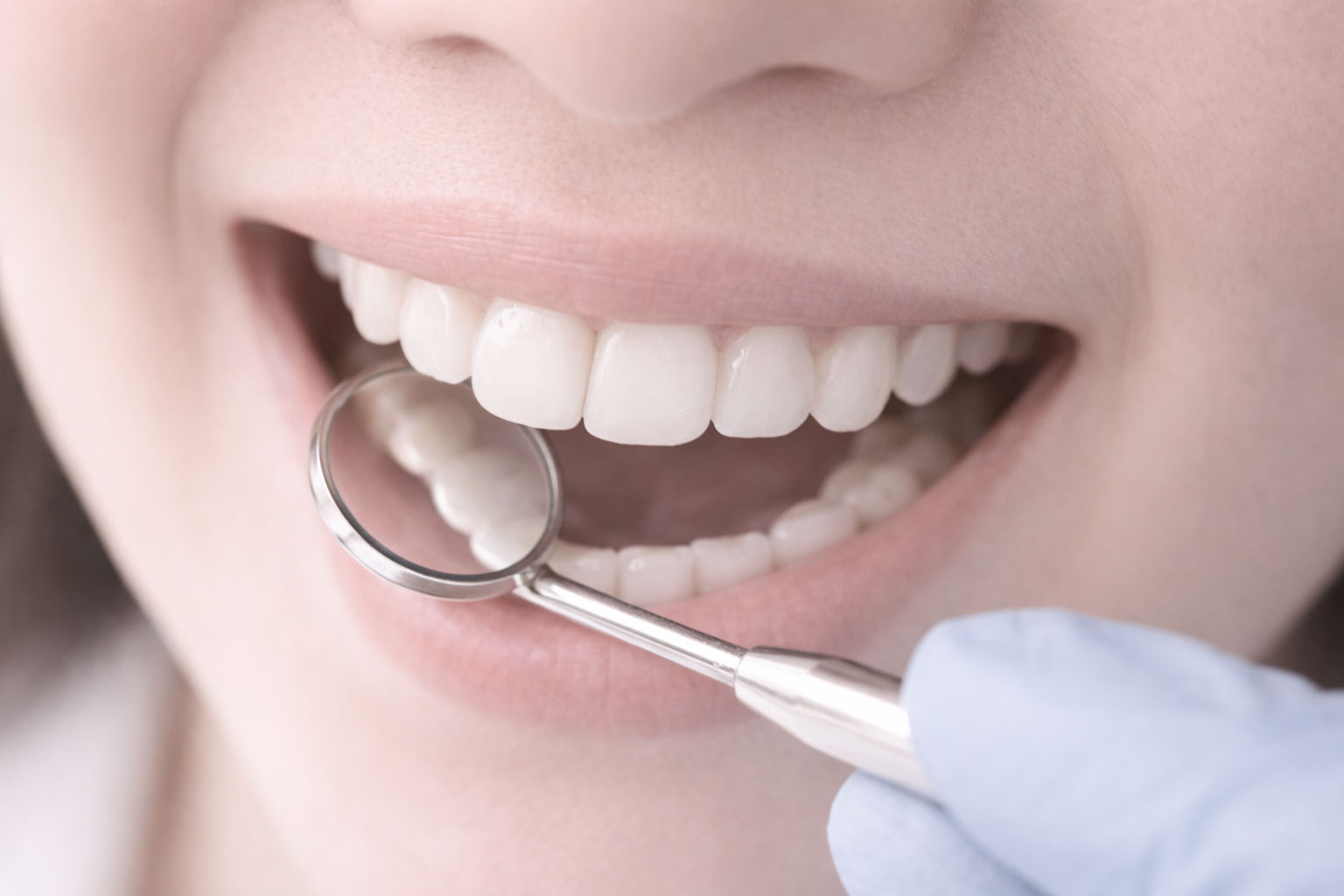
Manual instruments or specific curettes are then used to ensure a thorough finish. These accessories are essential for removing residual deposits and smoothing the root surface, thus preventing the future adhesion of new bacterial plaque.
Performing this professional dental hygiene periodically is crucial to avoid the serious consequences of dental tartar and gums, such as gingival inflammation or gingivitis due to tartar. Proper treatment of dental tartar keeps gums healthy and prevents more severe periodontal diseases.
At a state-of-the-art dental clinic in Mallorca, patients can expect a comfortable environment and a generally painless procedure, which usually lasts between 45 and 60 minutes. The goal is to restore periodontal health and provide a lasting feeling of freshness and cleanliness in the mouth.
Choosing a center with modern equipment and professionals specializing in oral hygiene is a determining factor in ensuring the quality and effectiveness of scaling. An investment in this periodic care translates directly into better long-term oral health.
This routine practice, recommended at least once or twice a year depending on individual needs, is the foundation for optimal oral wellness. It is the key preventive measure to stop the progression of dental tartar before it causes major problems.
Deep Cleaning
High-frequency ultrasound effectively removes tartar and plaque, even below the gum line.
Key Prevention
Prevents gum inflammation (gingivitis) and progression to more severe periodontal disease.
Health and Well-being
Restores periodontal health and leaves a lasting feeling of freshness and cleanliness in your mouth.
Advanced solutions for persistent tartar and periodontitis
When dental tartar has escalated beyond the surface, forming deep periodontal pockets, conventional treatments are insufficient. This condition, an advanced stage of periodontal disease, requires more in-depth and specific intervention to restore oral health.
Root planing and scaling, commonly known as dental curettage, emerges as the fundamental solution in these critical scenarios. This non-surgical procedure focuses on the thorough cleaning of root surfaces located below the gum line.
Its main objective is to eradicate subgingival tartar and bacterial toxins that adhere to the roots of the teeth. In addition, the root surface is smoothed, making it difficult for plaque and tartar to accumulate in the future and promoting the adhesion of gingival tissues.
This treatment is crucial to halting the progression of periodontitis, one of the main consequences of untreated dental tartar. By removing irritants, gum inflammation is reduced and bone loss that supports the teeth is prevented.
To effectively address these advanced cases, it is imperative to seek out professionals with experience and specific technology. Specialized periodontal clinics or periodontics departments at university dental hospitals are the most recommended option.
In Spain, institutions such as the Faculty of Dentistry at the Complutense University of Madrid or the International University of Catalonia are centers where advanced dentistry is researched and applied in the field of periodontics. They offer the experience and technological resources necessary for optimal treatment.
Periodontists at these institutions use advanced techniques, often supported by surgical microscopes or state-of-the-art ultrasound systems, to ensure thorough and precise cleaning. This level of specialization is vital for tissue regeneration.
After scaling and root planing, the implementation of rigorous ongoing professional dental hygiene is essential. Proper follow-up and maintenance are key to preventing the recurrence of tartar and the progression of periodontal disease, ensuring long-lasting results.
Thorough Subgingival Cleaning
Removes tartar and bacterial toxins accumulated below the gum line, inaccessible to regular brushing.
Tooth Root Planing
Smooths root surfaces, making it difficult for plaque and tartar to adhere in the future and promoting gum health.
Curbing Periodontitis
It stops the progression of periodontal disease, reduces inflammation, prevents bone loss, and ensures dental stability.
A future without tartar: prevention strategies and healthy habits
Adopting a preventive strategy is essential to avoid the accumulation of dental tartar and ensure lasting oral health. Consistency in your daily routine, together with adequate knowledge, makes a crucial difference in the fight against this common condition.
The cornerstone of this prevention is proper brushing technique, performed twice a day for at least two minutes. It is vital to use a soft-bristled toothbrush and focus on cleaning the gum line, effectively removing plaque and dental tartar before it hardens and adheres firmly.
Daily flossing is irreplaceable for cleaning interdental surfaces, those areas inaccessible to the toothbrush. Complementarily, the inclusion of fluoride mouthwashes, recommended by a professional, can enhance the elimination of bacteria and reduce the risk of future tartar formation.
A balanced diet plays a crucial role; drastically limiting the consumption of sugars and processed foods significantly reduces the production of bacterial acids. This prevents not only tartar, but also the consequences of tartar, such as cavities and gum inflammation, known as tartar gingivitis.
Regular check-ups with a trusted dentist are essential for professional supervision and early detection of any abnormalities. These visits allow you to identify early signs, receive preventive professional dental hygiene, and obtain the personalized guidance necessary to maintain optimal oral health.
To obtain the right products and receive expert advice on their use, pharmacies with oral health sections are a valuable resource for the population. There you can find everything from specialized toothbrushes to toothpastes with specific ingredients that are vital for enamel care and prevention.
Education from an early age is key, and school dental hygiene programs, successfully implemented in various communities, serve a vital social function. These initiatives instill proper habits in children, protecting their smiles from dental tartar and fostering a lifelong commitment to their oral health.
Integrating these practices into our daily lives not only effectively prevents tartar buildup, but also promotes comprehensive dentistry for overall well-being. A future free from tartar worries is entirely possible through active prevention and a consistent commitment to oral self-care.
Impeccable Oral Hygiene
Brush twice a day for 2 minutes, floss, and rinse with fluoride to effectively remove plaque.
Conscious and Balanced Diet
Limit your consumption of sugars and processed foods to reduce acid production and protect your enamel.
Regular Dental Checkups
Visit your trusted dentist regularly for professional cleanings and early detection of any problems.