 Whatsapp


From a technical standpoint, a root canal involves removing the dental pulp and subsequently filling the affected cavity. For those not surrounded by white coats, the translation is more straightforward: the nerve tissue causing problems inside the tooth is eliminated. But behind that simple phrase lies a precise clinical procedure, with well-defined steps, a high success rate, and far fewer reasons for alarm than those circulating out there. At Platón Dental we answer the questions patients ask us most before sitting down in the chair.
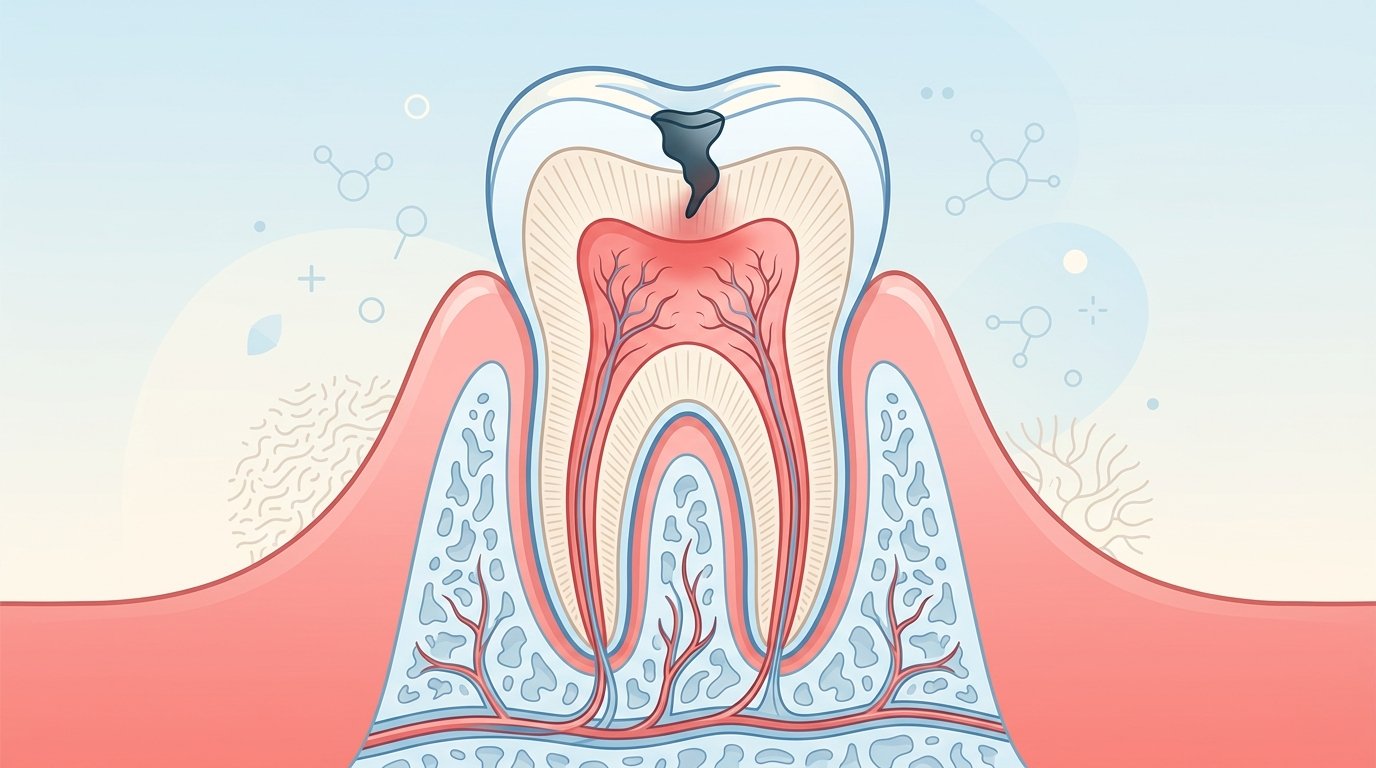
What is the goal of a root canal?
The goal is to save the natural tooth by treating its interior without altering its function or aesthetics. Root canal treatment acts on the dental pulp — the soft tissue containing nerves and blood vessels inside the tooth — when it has become infected or necrotic. Once the damaged pulp is removed and the root canals are sealed, the tooth remains in place, continues to chew, and, apart from the crown that usually protects it afterwards, no one notices anything has happened. Alignment is not modified, the bite is not altered, and eating habits remain intact.
Does a root canal hurt?
This is, by far, the question that generates the most fear and the one that most deserves an honest answer: no, a root canal does not hurt during the procedure. It is always performed under local anaesthesia, and the sensation described by most patients is comparable to that of a large filling. What may appear are mild discomforts in the two or three days that follow, when the periapical tissue reacts to the treatment. In those cases, an over-the-counter painkiller is usually sufficient. If the pain is intense, persists for more than a week, or swelling appears, it is advisable to call the clinic: it could indicate a complication that needs to be reviewed.
What is the step-by-step procedure?
Knowing exactly what is going to happen at the appointment reduces anxiety by half. The process has four main phases:
- Local anaesthesia: the area is numbed so the patient feels nothing during the procedure.
- Opening and cleaning of the root canals: the specialist accesses the pulp, removes it, and uses mechanical rotary instrumentation files to clean and shape each canal. At Platón Dental we use electronic apex locators to precisely measure the length of each root.
- Disinfection: the canals are irrigated with antiseptic solutions to eliminate any bacteria that may be present in the periapical area.
- Obturation: the cleaned canals are sealed with a biocompatible material — usually thermoplastic gutta-percha — which fills the space left by the pulp and prevents bacteria from recolonising it.
In most cases, the entire process is completed in a single session. More complex cases — active infections, very curved canals, or teeth with multiple roots — may require a second visit. After the root canal, it is standard practice to place a dental crown to protect the tooth in the long term, since without pulp the tooth loses some flexibility and is more vulnerable to fracture.
What happens if I have a dental abscess?
A dental abscess — or phlegmon — is not an impediment to root canal treatment: it is, precisely, one of its clearest indications. The abscess is the visible sign that the pulp is infected and that the infection has begun to spread towards the periapical bone. Root canal treatment eliminates the infectious focus from within, something that antibiotics alone cannot resolve definitively. In some very acute cases, the specialist may prescribe antibiotics a few days beforehand to reduce inflammation and facilitate anaesthesia, but root canal treatment remains the necessary step to resolve the problem at its root.
When is root canal treatment recommended?
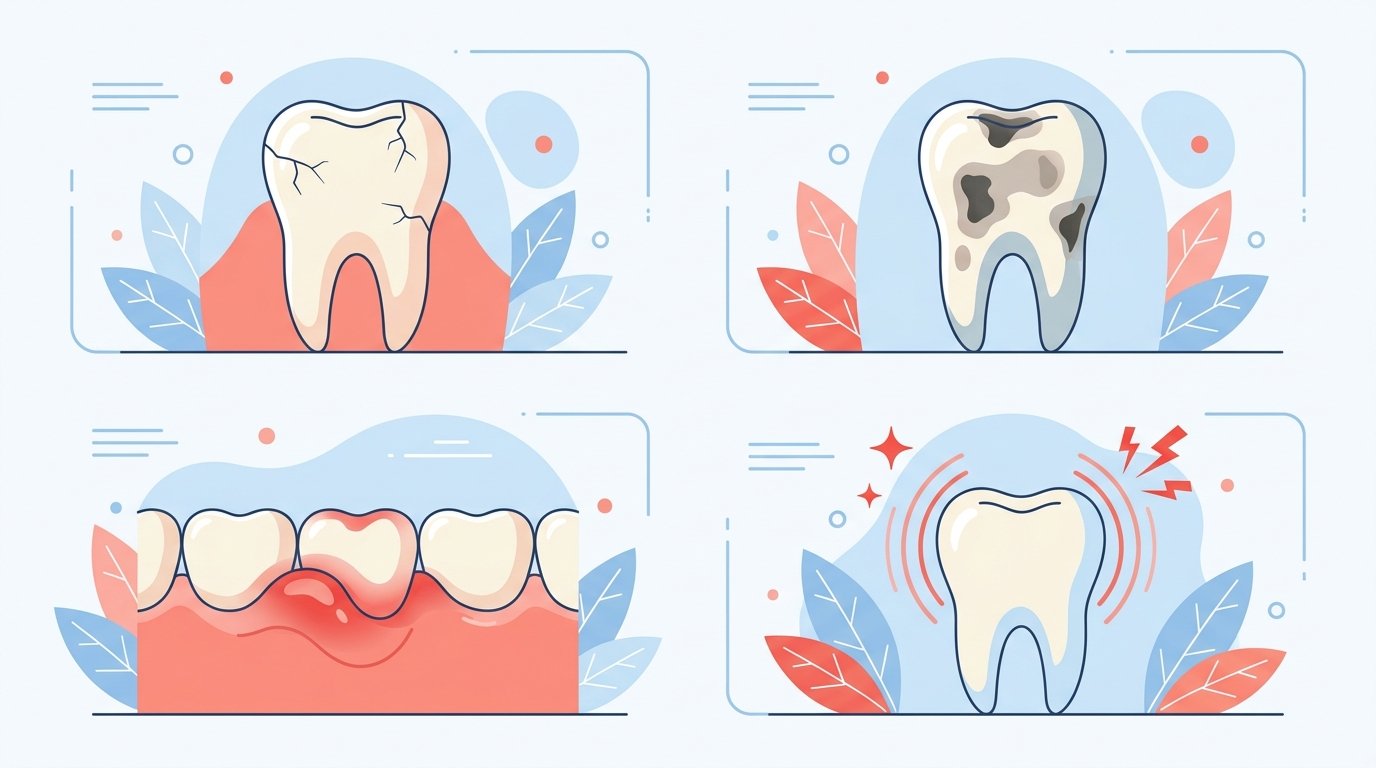
Root canal treatment is indicated when the dental pulp has suffered irreversible damage. The most frequent causes are:
- Deep decay that has reached the pulp chamber.
- Dental trauma with fracture or luxation that compromises the nerve.
- Infection or periapical abscess with or without a visible swelling.
- Need for extensive preparation to place bridges or crowns on teeth with very exposed pulp.
The symptoms that usually precede the diagnosis include spontaneous pain or pain when biting, intense sensitivity to cold or heat that does not subside when the stimulus is removed, and sometimes a change in the colour of the tooth. If you recognise any of these signs, do not let it go: the sooner pulpitis is treated, the simpler and more predictable the outcome.
What care does a tooth treated with root canal need?
The same as any other tooth: proper brushing, use of dental floss and interproximal hygiene, and regular check-ups at the clinic. A tooth without pulp has no sensitivity of its own, which means it will not warn you if a new cavity is forming around it. That is why active oral health prevention is even more important after a root canal. Do not delay the definitive restoration: the longer the tooth goes without a crown, the greater the risk of fracture or recontamination of the canal.
Does it affect the fragility of the tooth?
Without pulp, the tooth loses the supply of nutrients that kept it hydrated and flexible, so it may become somewhat more fragile over time. However, a well-executed root canal correctly restored with a crown does not compromise the functionality of the tooth in the long term. The key is not to delay the restoration: the tooth without a definitive covering is the one that runs a real risk of fracturing.
What alternatives exist to root canal treatment?
When the pulp is irreversibly damaged, the only real alternative to root canal treatment is extraction of the tooth followed, ideally, by the placement of a dental implant. The primary clinical intention is always to preserve the natural dentition: an implant is an excellent solution, but it is not the same as one’s own tooth. Furthermore, the cost of an implant — between €1,500 and €2,500 including the crown — far exceeds that of a root canal, making root canal treatment the most reasonable option when the tooth still has a prognosis. Only in cases of very advanced destruction, vertical root fracture, or severe periodontal disease is extraction the preferred route.
How much does a root canal cost in Spain?

The price varies mainly depending on the number of root canals the tooth has. In 2026, a root canal in Spain can cost between €100 and €700, depending on the type of tooth — single-rooted, double-rooted, or multi-rooted —, the clinic, and the techniques used. Incisors and canines, with a single canal, are the most affordable; molars, with three or four canals, the most expensive. To that figure must be added the dental crown that protects the tooth after treatment, the price of which can vary between €300 and €1,000 depending on the material and the complexity of the procedure.
As for coverage, the Spanish National Health Service (Seguridad Social) has not covered root canal treatment in adults since 2012, except in exceptional cases; it is covered in children under 15 within the Child Dental Care Plan (PADI). For adults, it is a private-pay treatment unless they have dental insurance. Some dental insurance policies partially cover root canal treatment — between 30 and 50% of the cost —; the most comprehensive ones (DKV, Mapfre, Adeslas) include it in their premium policies. It is worth reviewing the terms of your policy before the appointment.
Three myths about root canal treatment worth discarding
There are very widespread beliefs about this treatment that do not hold up against clinical evidence. Let us debunk the three most common ones.
"Killing the nerve" is an incorrect expression
Technically, root canal treatment does not “kill” anything: it removes damaged or necrotic pulp tissue and seals the space it occupied. The tooth remains anchored in the bone, continues to be functional, and with the appropriate restoration can last for decades. Talking about “killing the nerve” creates an image of destruction that does not correspond to what actually happens in the clinic.
"A root canal hurts more than an extraction"
This myth has its origins in treatments carried out decades ago, with techniques and anaesthetics very different from today’s. Now, both procedures are performed under local anaesthesia and are equally painless during the intervention. The difference lies in the outcome: extraction means losing the tooth; root canal treatment means keeping it.
"If it doesn't hurt, I don't need treatment"
A necrotic pulp may stop generating pain precisely because the nerve tissue is no longer alive. The absence of pain does not equal the absence of infection. In such cases, the infection silently advances towards the periapical bone and is only detected on a control X-ray. Hence the importance of regular check-ups even when there are no discomforts.
What is the success rate of root canal treatment?
Root canal treatment is one of the procedures with the best prognosis in conservative dentistry. Clinical studies show a high success rate in endodontically treated teeth — up to 93.8% — when the procedure is performed optimally. In general terms, the success rate of root canal treatment ranges between 77% and 95%, depending on the patient’s conditions and whether or not associated periapical pathology is present. The quality of the obturation and the definitive restoration are the factors that most influence that long-term outcome.
If after reading these answers you still have doubts about root canal treatment or would like us to assess your case, visit the Platón Dental clinics in Palma and Manacor. We work with digital radiography systems, mechanical rotary instrumentation, electronic apex locators, thermoplastic obturation, and ultrasound equipment with endodontic and apical surgery tips to offer you the most precise and comfortable treatment possible.
Frequently asked questions
How many sessions does a root canal take?
In most cases, root canal treatment is completed in a single session. Cases with active infection, very curved canals, or complex multi-rooted teeth may require a second visit to ensure complete cleaning and obturation.
What exactly does an endodontist do?
The endodontist is the specialist in the diagnosis and treatment of diseases of the dental pulp and periapical tissues. They handle conventional root canals, root canal retreatments, and, when necessary, apical surgery to resolve infections that do not respond to orthograde treatment.
How long is the recovery after a root canal?
Postoperative discomfort usually disappears within two or three days. During that time, mild sensitivity when biting or pressing the area is normal. A common painkiller is usually sufficient. If the pain is intense, does not subside, or swelling appears after those days, contact your dental clinic to rule out complications.
Is root canal treatment covered by the National Health Service?
In adults, it has not been covered by the National Health Service since 2012, except in very specific cases. In children under 15 it may be included within the Child Dental Care Plan (PADI). For adults, some private dental insurance policies cover between 30 and 50% of the cost depending on the contracted policy.
Is it better to have a root canal or an implant?
Whenever the tooth has a prognosis, root canal treatment is preferable: it preserves the natural tooth, is less invasive, and has a significantly lower cost than extraction plus implant. An implant is the best solution when the tooth can no longer be saved, but it does not replace one’s own tooth in terms of integration with the bone and the sensation when chewing.