 Whatsapp


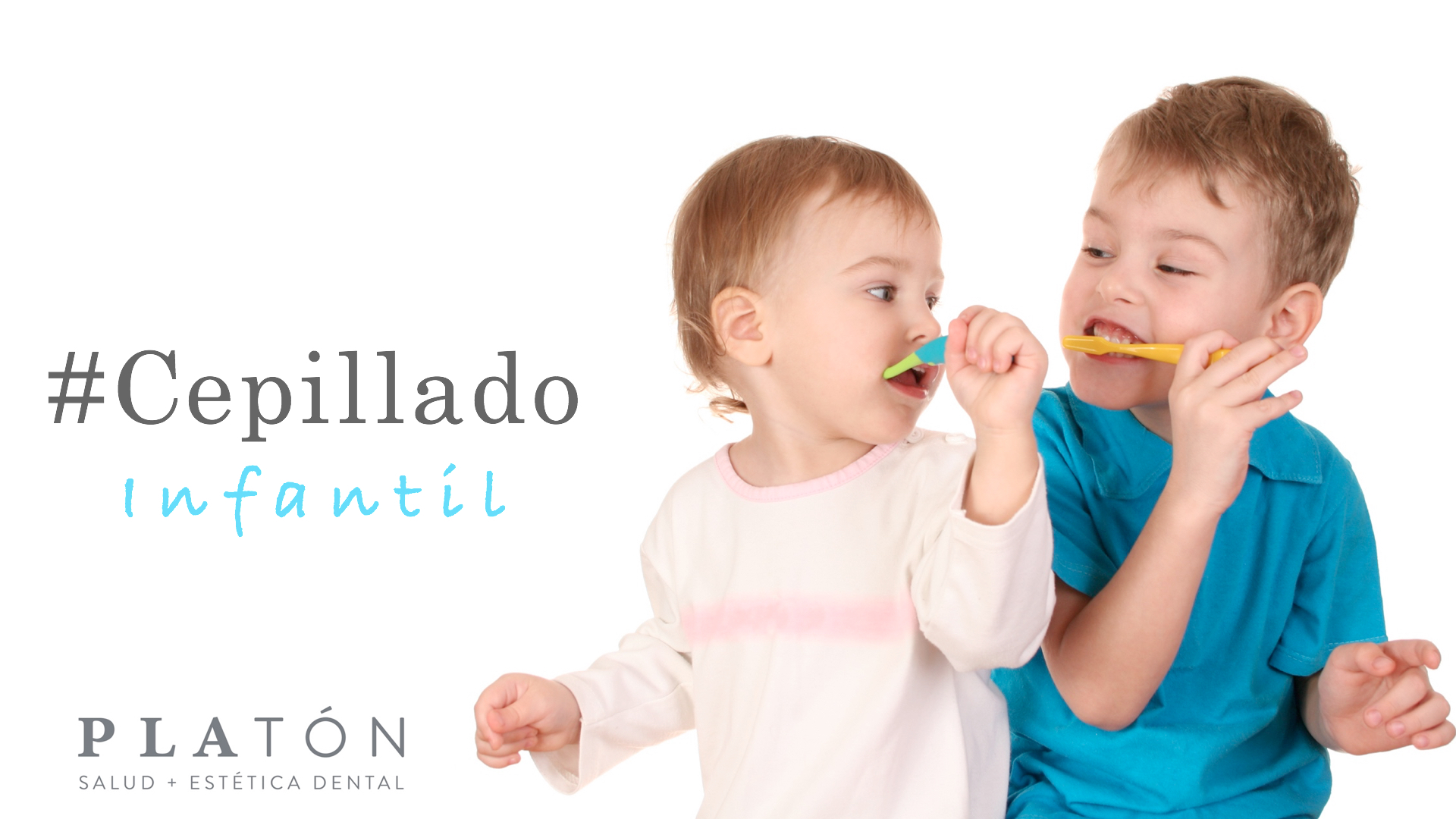 Those who have children will relate, and those who don’t will too: we have all experienced some kind of “battle” with our parents at tooth-brushing time. The good news is that children’s brushing can go from being a daily conflict to a moment of family connection, as long as it is approached with the right strategy. In this article you will find everything you need to know: when to start, how to adapt the technique to each age, and which tips really work to help little ones build the habit.
The urgency is real. According to data published by Redacción Médica, 4 million children in Spain have tooth decay, which makes children’s oral hygiene a health priority, not just an aesthetic one. Starting on time and with the correct technique is the difference between a healthy mouth and years of avoidable treatments.
When to start children's brushing? An age-by-age guide
One of the most common questions parents have is knowing when to begin oral hygiene. The answer is clear: sooner than you think. The Spanish Association of Paediatrics (AEP) recommends starting from the first months of life, long before the first tooth appears.
From 0 to 2 years: cleaning gums and first teeth
Before any tooth erupts, clean the baby’s gums with a damp sterile gauze after feeds, especially the night feed. This gesture accustoms the baby to having their mouth handled and removes milk residues that can ferment.
As soon as the first tooth appears — usually around 6 months, although it may be delayed until 14 — it is time to introduce a toothbrush with extra-soft bristles and a small head, specifically designed for babies. Fluoride toothpaste enters the picture from that moment: use an amount equivalent to a grain of rice of toothpaste with 1,000 ppm of fluoride. At this age the baby cannot spit, but that minimal amount is safe and effective for protecting the enamel.
Brushing is always carried out by an adult: twice a day, with special attention to brushing before bedtime, since saliva production decreases at night and teeth are more exposed to bacteria.
From 2 to 6 years: supervised autonomy
From the age of 2–3, children can begin to actively participate in their own brushing. Let them try on their own first — this builds autonomy and confidence — and then go over it yourself at the end to make sure no area has been left uncleaned. Adult supervision is essential until the age of 6–7, by which time most children have developed the fine motor skills needed to do it correctly.
As for children’s toothpaste, from the age of 3 the amount increases to the equivalent of a pea, maintaining 1,000 ppm of fluoride. It is also at this stage that it is worth introducing dental floss: the AEP recommends starting to use it as soon as the teeth are in contact with each other, generally between the ages of 2 and 6, to remove the interdental plaque that the toothbrush cannot reach.
From 6 to 12 years: correct technique and mixed dentition
From the age of 6, children begin to lose their baby teeth and gain their permanent ones. This is the mixed dentition stage, in which temporary and permanent teeth coexist, and in which the first permanent molars make their appearance. These molars are particularly vulnerable to decay because they have deep fissures and children do not always reach them well with the toothbrush.
From this age, toothpaste with 1,450 ppm of fluoride can be used — the same concentration as in adults — in a pea-sized amount. The child can now brush on their own, but it is worth checking from time to time that they are doing it correctly and not skipping the back molars.
Correct children's brushing technique step by step
Knowing how to motivate children is essential, but technique matters just as much, if not more: enthusiastic but poorly executed brushing does not remove the bacterial plaque where decay forms. Here is a simple and effective sequence:
- Divide the mouth into four quadrants: upper right arch, upper left, lower right and lower left. Working by zones ensures no corner is forgotten.
- Place the toothbrush at 45° to the gum. This angle allows the bristles to reach the gingival margin, where the most plaque accumulates.
- Make gentle circular movements over two teeth at a time, covering both the outer and inner surfaces. For preschool-age children, the circular movement technique (Fones technique) is the easiest to learn and execute.
- Do not forget the chewing surfaces of molars and premolars: a gentle horizontal scrubbing over those surfaces removes residues accumulated in the fissures.
- Brush the tongue with the toothbrush held perpendicular, making gentle sweeping movements from back to front. This reduces the bacterial load and improves breath.
- Minimum duration: 2 minutes. Use a sand timer, a stopwatch or a two-minute song so the child knows when they have finished.
In children with mixed or permanent dentition, the modified Bass technique — bristles angled towards the gum with small vibratory movements — is the most effective for reducing plaque, including interdental plaque. Ask your paediatric dentist to show you both at the next check-up.
Children's toothpaste and fluoride: how much and when
Fluoride is the most important active ingredient in toothpaste because it remineralises enamel and slows the progression of decay. But the correct dose varies with age:
- From the first tooth until age 3: toothpaste with 1,000 ppm of fluoride, in a grain-of-rice amount.
- From 3 to 6 years: toothpaste with 1,000 ppm of fluoride, in a pea-sized amount.
- From age 6 onwards: toothpaste with 1,450 ppm of fluoride, in a pea-sized amount.
A practical detail: it is not necessary to rinse with water after brushing. Spitting out the toothpaste is enough; rinsing removes the residual fluoride that continues to protect the enamel for a while. If your child takes fluoride supplements prescribed by the paediatrician, consult the paediatric dentist to adjust the concentration of the toothpaste and not exceed the recommended daily dose.
5 tips to turn brushing into a fun moment
Technique is the foundation, but without motivation there is no habit. These tips have been working for families of all kinds for years:
1. Oral care: a family affair
The more family members involved, the better. Brush together: when the child sees mum, dad or grandparents brushing their teeth, they internalise it as something normal and desirable. Reinforce with applause and smiles when they do it well; noticing that they are doing it correctly gives them confidence and the desire to repeat it.
2. Music and colour: brushing as a show
Brushing becomes more enjoyable when accompanied by music or dancing. There are special toothbrushes that play a melody for the two minutes the cleaning should last: when the song ends, the teeth are clean. You can also play any two-minute song your child likes on your phone.
3. A bathroom that invites them to stay
The environment matters. Give the bathroom a pleasant atmosphere for children: bright colours, posters of their favourite characters, a cup with their favourite design. If the space appeals to them, resistance to going in decreases.
4. Let them go first
Always give them the initiative: let them be the ones to start brushing. Autonomy generates involvement. Afterwards, you go over the areas they may have missed — especially the back molars and the inner surfaces of the teeth — without turning it into a correction, but rather a game of “let’s see if we can find any hidden bugs”.
5. Children's toothpaste, in just the right amount
Using less toothpaste produces less foam, which makes brushing easier and reduces nausea. In addition, children’s toothpastes are formulated to protect the more sensitive enamel of baby teeth and the first permanent teeth. Let the child choose the flavour: strawberry, mild mint, watermelon… If they like the taste, brushing stops being an imposition.
Dental floss and mouthwash: when to introduce them
Brushing does not reach all the spaces between teeth. Dental floss complements what the toothbrush cannot reach and should be introduced as soon as the child’s teeth begin to contact each other. At first it is always handled by the adult; from the age of 8–10, with practice, the child can do it on their own.
As for mouthwashes, they are not recommended before the age of 6 because young children tend to swallow them. From that age, if the paediatric dentist considers it appropriate — especially in children with a high risk of decay — a fluoride mouthwash without alcohol can be introduced. Never as a substitute for brushing, but as a complement.
The first dental visit: sooner than you think
Many parents wait until the child has all their teeth before taking them to the dentist. This is a common mistake. The first visit to the paediatric dentist should take place when the first tooth appears or, at the latest, when the child turns one year old. This appointment is not only for checking teeth: it serves to give parents personalised hygiene guidance, to detect risk habits (night-time bottle, sugary dummy) and to help the child start getting familiar with the dental environment without fear.
Regular check-ups — at least once a year — allow fissure sealants to be applied to the permanent molars, which is the most effective preventive treatment against decay in school-age children, and to detect any malocclusion problems in time.
Why children's oral health matters beyond baby teeth
There is a very widespread myth: “baby teeth fall out anyway, so it doesn’t matter if they have decay”. Nothing could be further from the truth. Decay in a baby tooth can affect the permanent tooth growing beneath it, cause infections, alter the space needed for the permanent dentition and generate incorrect chewing habits that carry through into adulthood.
Furthermore, childhood decay has a behavioural component: children who do not develop the brushing habit in childhood are more likely to maintain poor oral hygiene as adults. The habit formed before the age of 7 tends to last a lifetime. Investing in children’s brushing today is investing in your child’s health forever.
At Platón Dental we have been improving smiles of all ages for over 30 years. We offer preventive and aesthetic dentistry treatments adapted to every stage of life, from the baby’s first visit to follow-up in adulthood. If you have any questions about your child’s oral hygiene or would like us to check their mouth, we are here to help.